Aristotle's Rhetoric: ethos, pathos, logos
Persuasion begins with who is sitting in the room. What you want to say comes second.
The invitation nobody opened was written from inside the organiser's head. Aristotle starts from the hearer and only then picks what will persuade them: his credibility, their state, or the argument itself — and it is the audience that weights the three.
- Ethoswhy they should trust you: you know it, you are honest, you wish them well
- Pathosa frightened, offended or bored person weighs the same fact differently
- Logosan example or an enthymeme, one premise of which the hearer supplies
- The situation
A meeting about next semester turns into a fight: one person proposes a new project, another goes back to where last event's money went.
- What the model says
Two different genres are in the room: one speaks deliberatively about the future, the other judicially about the past, so neither answers the other.
- What you do
In this meeting split the time out loud: ten minutes for last event's money, then the decision about next semester.
What it claims
The full text is loading from the library. If it never appears, the connection to the database failed — reload the page.
Who created it
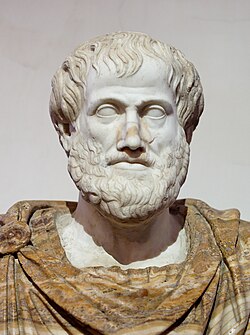
The full text is loading from the library. If it never appears, the connection to the database failed — reload the page.
Why this is your problem
The full text is loading from the library. If it never appears, the connection to the database failed — reload the page.
Why gslk uses it
The full text is loading from the library. If it never appears, the connection to the database failed — reload the page.
Where it runs in the product
The full text is loading from the library. If it never appears, the connection to the database failed — reload the page.
Source
The full text is loading from the library. If it never appears, the connection to the database failed — reload the page.
The primary source is in the public domain: it may be read, quoted and reprinted freely.
These works are related to the one you just read — and not by accident:
shared competencies: Rhetoric, Mobilising others
shared competencies: Rhetoric, Mobilising others
shared competencies: Mobilising others, Impact and responsibility
shared competencies: Mobilising others, Impact and responsibility
Of the ten gslk competency domains, this work grounds:
The same work written for a member: what to do with it in the club.
This text is freely available, so the links go straight to it rather than to a summary of it.
Links open in a new window.