
Aristotle's Rhetoric: ethos, pathos, logos
Nobody opened the invitation, and it was not because the topic was bad. Usually it contains none of the three things that make a person respond at all.
The invitation nobody opened was written from inside the organiser's head. Aristotle starts from the hearer and only then picks what will persuade them: his credibility, their state, or the argument itself — and it is the audience that weights the three.
- Ethoswhy they should trust you: you know it, you are honest, you wish them well
- Pathosa frightened, offended or bored person weighs the same fact differently
- Logosan example or an enthymeme, one premise of which the hearer supplies
Take the last invitation nobody opened and rewrite it twice: once for a first-year, once for someone who has already been to two club events. Delete every sentence that neither builds trust, nor moves anyone, nor proves anything.
The full biography is on the public version →
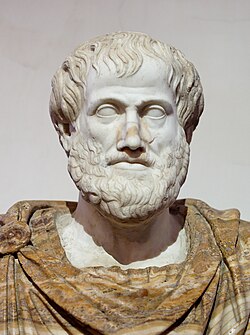
Marble bust, a Roman copy after a bronze by Lysippos. Palazzo Altemps, Rome. PD-self (photograph, Jastrow 2006) + PD-art-70-3d + PD-old-auto (sculpture)
These screens carry out this specific work. Every published work in the library also has at least an exercise — it is at the foot of this page.
Loading…
These works are related to the one you just read — and not by accident:
shared competencies: Rhetoric, Mobilising others
shared competencies: Rhetoric, Mobilising others
shared competencies: Mobilising others, Impact and responsibility
shared competencies: Mobilising others, Impact and responsibility
Opens in the member workspace — you need to be signed in.
The same work written at length: what it claims and what its evidence is worth.
This text is freely available, so the links go straight to it rather than to a summary of it.
Links open in a new window.