Ostrom: shared resources a community governs itself
A shared room and a shared budget break with no bad people involved. It is enough that nobody wrote the rules down and nobody voted on them. A rule the group never voted on is a request.
Spanish irrigation systems and Swiss alpine pastures have worked for centuries with no owner and no state, and what separates them from the ones that fell apart is rules the group wrote itself.
Write your club's commons rules — one page, not ten: who may use it, what state it is left in, who checks, what happens on a first, second and third breach. Adopt them by a vote rather than by the president's signature, and put the date you will rewrite them at the bottom.
The full biography is on the public version →
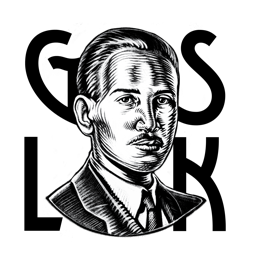
No freely licensed likeness of this person exists, so this is a generated emblem. It is not a portrait.
These screens carry out this specific work. Every published work in the library also has at least an exercise — it is at the foot of this page.
Loading…
These works are related to the one you just read — and not by accident:
shared competencies: Economics of the organisation, Span and structure
shared competencies: Economics of the organisation, Impact and responsibility
shared competencies: Economics of the organisation, Impact and responsibility
shared competencies: Economics of the organisation, Impact and responsibility
Opens in the member workspace — you need to be signed in.
The same work written at length: what it claims and what its evidence is worth.
Links to publishers and libraries. There are no links to unauthorised copies here, and there will not be.
- Ostrom's Nobel lecture (2009) — the eight principles in her own words
- The Nobel Prize — Elinor Ostrom (2009)
Links open in a new window.