The works behind every gslk tool.
gslk is not a collection of advice. Every feature implements a specific, named work — with an author, a date and a source. The library runs from Sun Tzu and Xenophon to Ostrom and Edmondson, and every page ends the same way: what your club can do this week.
The honesty rule: where a model is contested, widely taught but weakly evidenced, or its instrument is commercially licensed, each page says so plainly. No claim here is stronger than its source allows, and every page states whether its primary source is in the public domain.
Every work grounds one or more of the ten gslk competency domains. Pick a domain to see who wrote about it — from antiquity to this century.
How an organisation is built
How a group of people becomes an institution that runs without its founder: span of control, functions, rules, the authority a subordinate grants, and handover to the next generation.
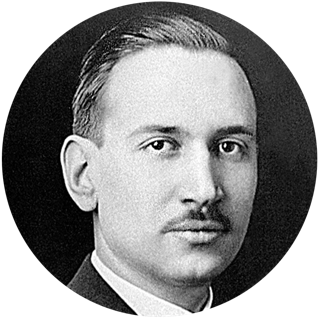
Graičiūnas on span of control
The formula showing that a manager's relationships grow faster than their team — and when that becomes a problem.
The Graičiūnas formula in practice
"Everything routes through me, I answer forty messages a night, and when I am ill nothing moves." That is not a character flaw. That is the formula, felt long before anyone counts it.
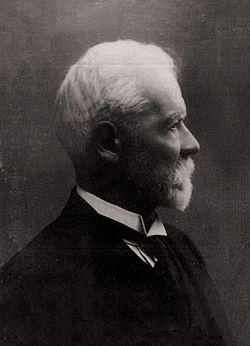
Fayol on the functions and principles of management
The first written list of what a manager actually does — and it is still repeated as if it were a law.
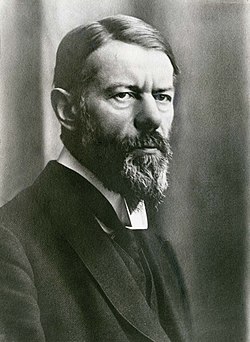
Weber on legitimate authority and bureaucracy
Rules and offices outlive even the most compelling founder. Weber thought that was both progress and a cage.
The economics of an organisation
Where the money comes from and where it goes; why organisations exist at all; and how a community governs what belongs to everyone.

Xenophon's Oeconomicus — the text the word "economics" comes from
Running an estate as a leadership virtue: order that others can find, and a steward you must train yourself.
Ostrom: shared resources a community governs itself
Shared things do not have to be destroyed. Ostrom found eight conditions under which a community keeps its own resources alive for centuries — with no privatisation and no boss.
The same work written for a member: what to do with it in the club.